2026 Industry Outlook: The Triple Play of Regulation, Value, and Innovation
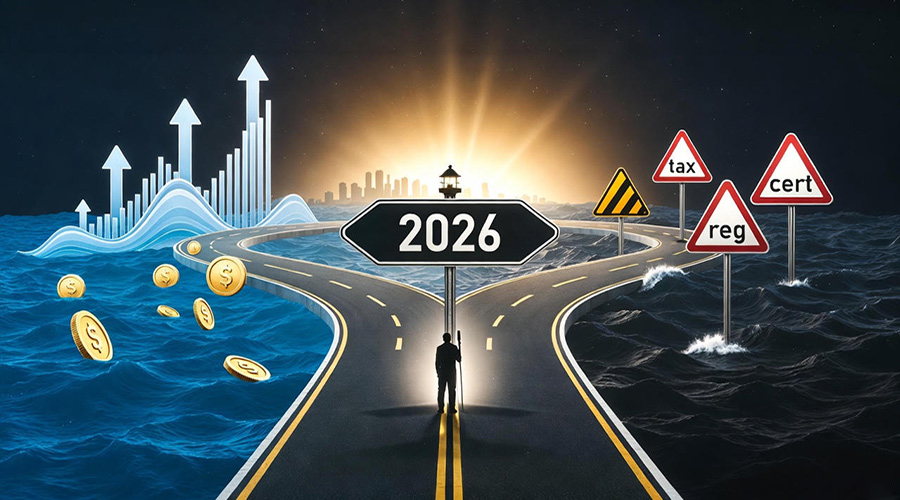
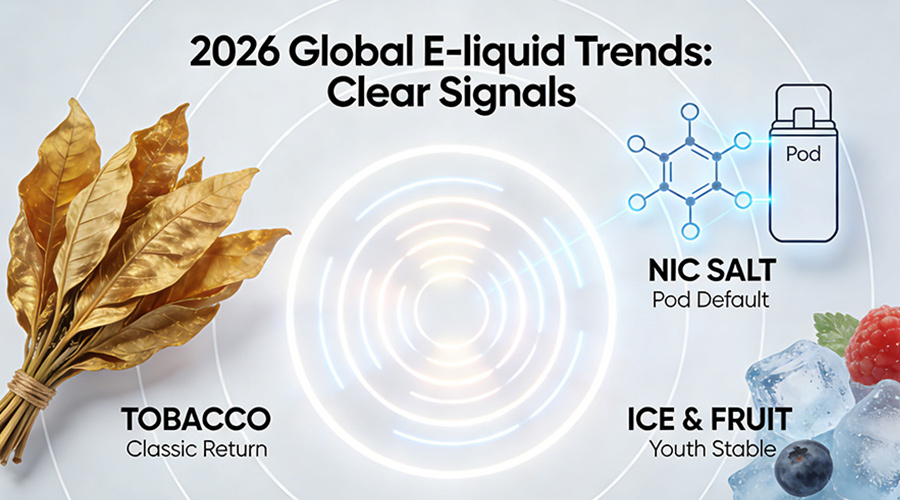
From our vantage point within the core e-cigarette supply chain, the outline of 2026 is not shrouded in mist but clearly defined by a series of concrete timelines, numbers, and case studies. The industry’s high-growth narrative is being reshaped by deeper structural forces. Below is our breakdown of the three key trends for the coming year.
Trend 1: Regulation Shifts from “Principle” to “Pricing”
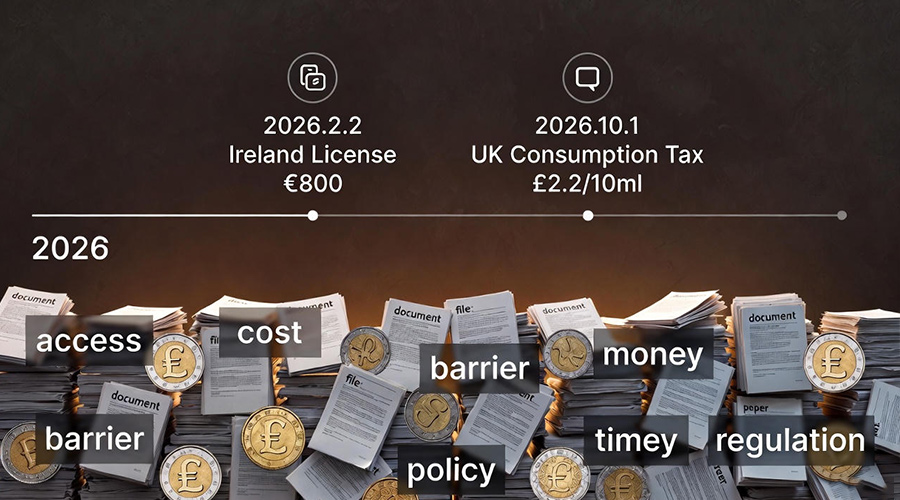
Global regulation is transitioning from “drawing red lines” to “attaching price tags.” In 2026, the cost of compliance will become unprecedentedly specific and non-negotiable:
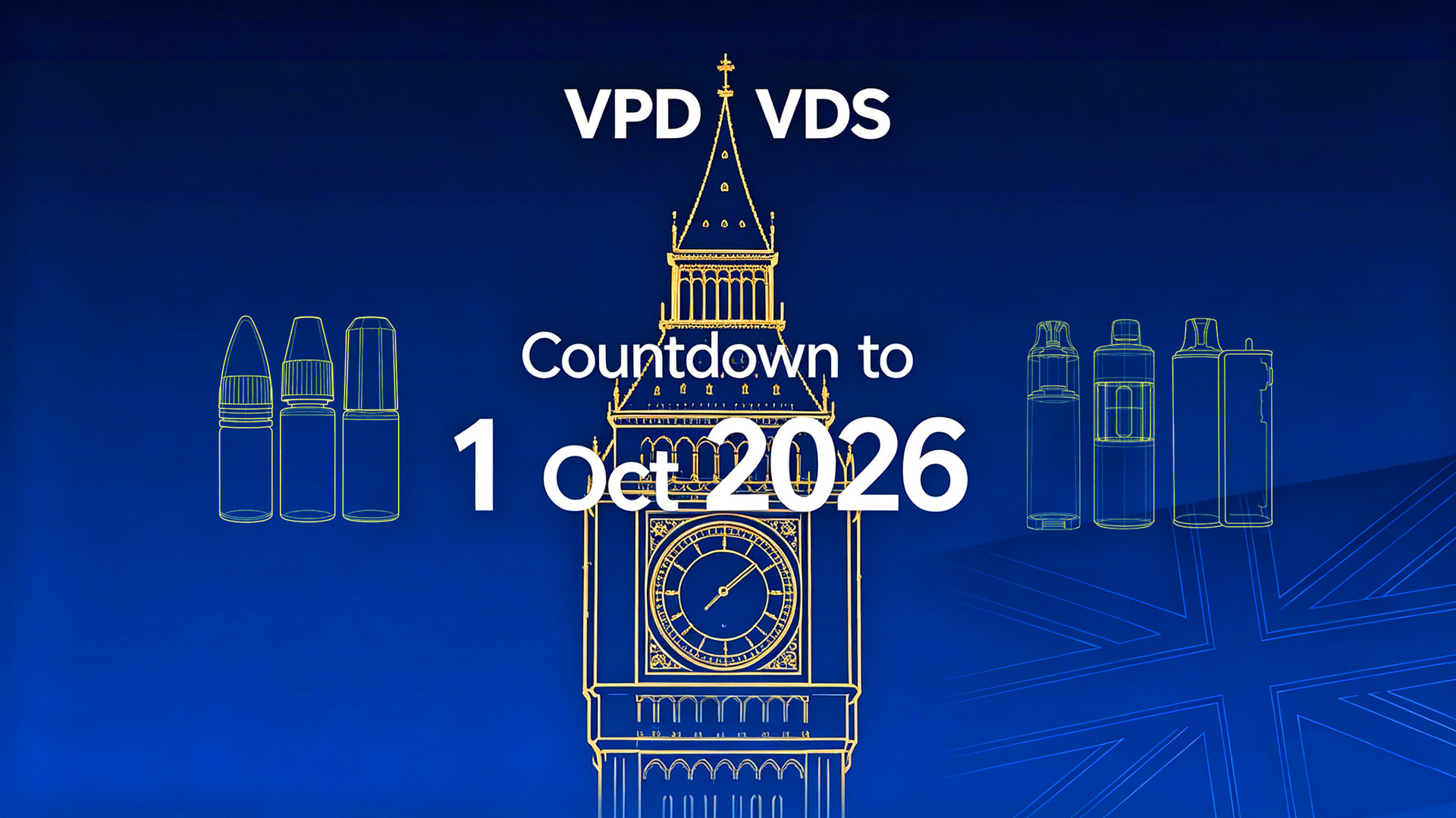
- United Kingdom: Starting October 1, 2026, an excise duty of £2.2 per 10ml of e-liquid will be levied.
- Ireland: From February 2, 2026, each retail outlet will require an annual license costing €800 per store.
This means the financial models for market entry and operations must be rebuilt. Compliance is no longer just about checking off a list of certifications; it has become a core calculation factor integrated into product pricing, market selection, and supply chain management. The ongoing standardization and capacity optimization domestically follow the same logic: systematically raising the professional and compliance thresholds on the manufacturing end to drive a return to value.
Trend 2: The Industry Value Chain’s Center of Gravity Rises; “Certainty” Becomes the Hard Currency
Against a backdrop where uncertainty is the new normal, the core demands of downstream brands have fundamentally shifted: from seeking “low-cost capacity” to competing for “high-certainty partners.”
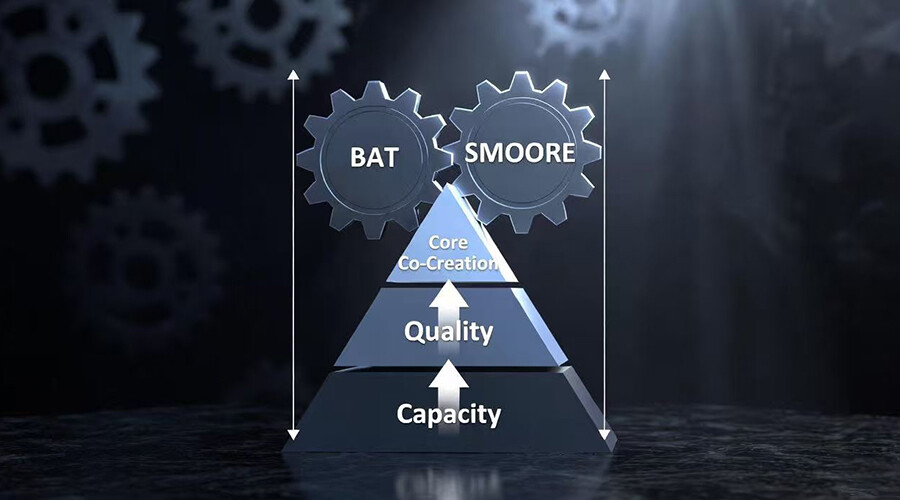
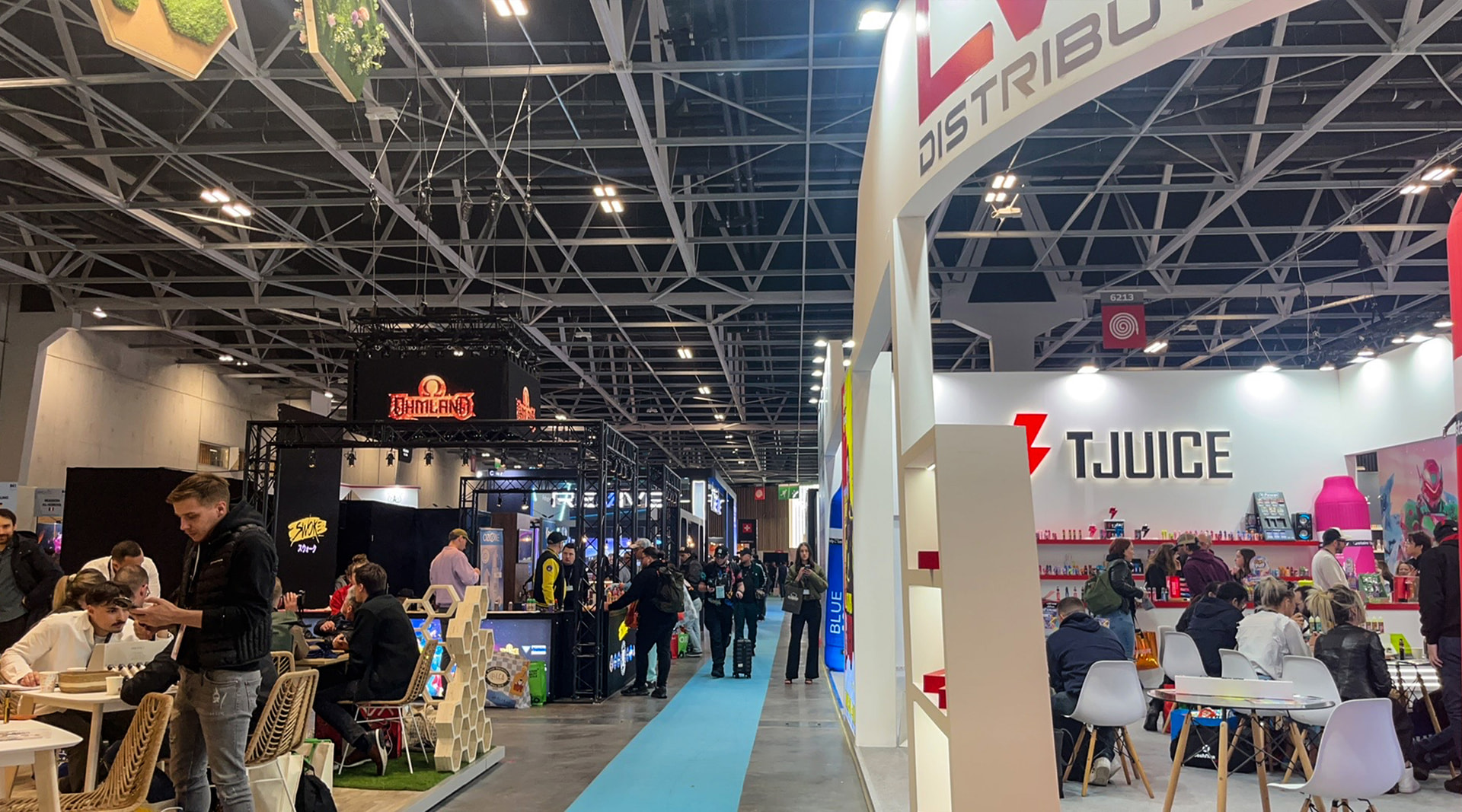
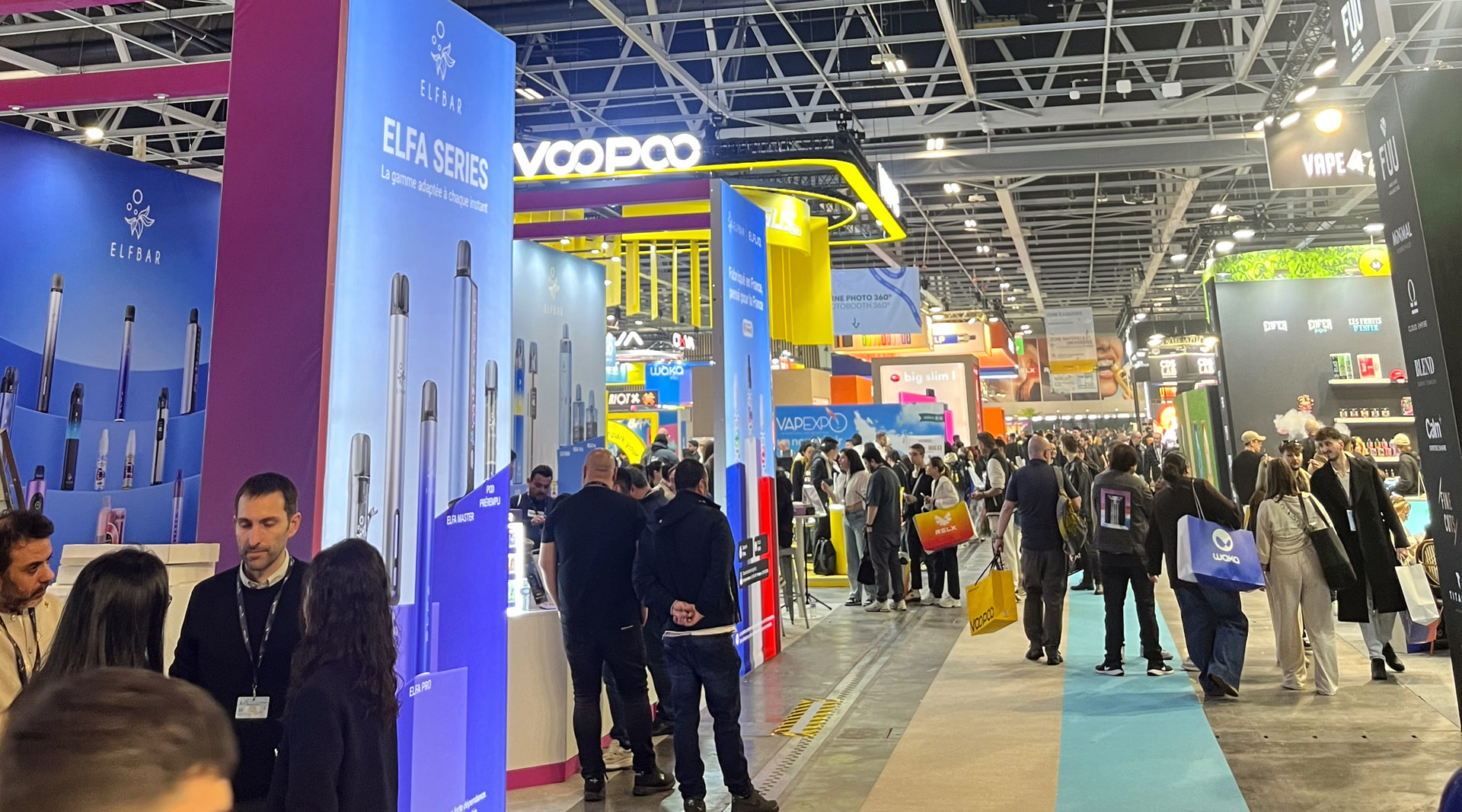
Recent cases of deep integration between leading companies and their supply chains (such as technology partnerships and revenue-sharing models) send a clear signal: future competition will be a contest of comprehensive supply chain capability. What brands need is not just “delivery,” but “co-creation of technology, safety endorsement, and long-term risk sharing.”
For upstream players, this signals the end of the era of pure price competition. The ability to provide systematic solutions—from deep R&D and global compliance to stable delivery—determines whether one occupies the position of a “replaceable supplier” or an “indispensable strategic cornerstone” in the value chain.
Trend 3: The Innovation Lane Narrows; The Only Direction is “Verifiable Safety”
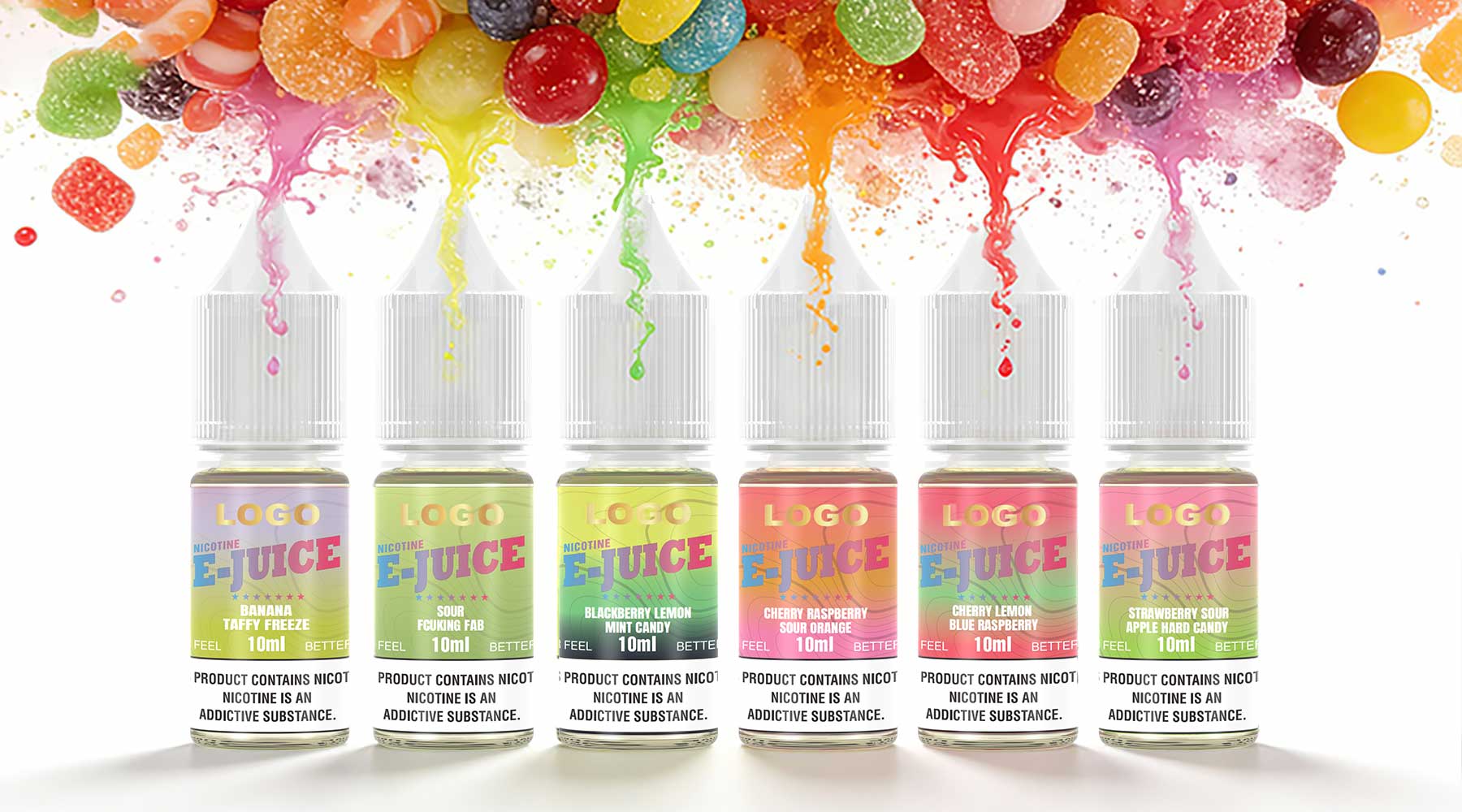
As the space for flavor innovation is tightly constrained, health and safety have become the sole, and highest, dimension of product competition. The essence of this race is an “evidence-based contest.”
- The Research Frontier Continues to Set New Standards: The latest research has delved into neuroendocrine levels, exploring the potential effects of chronic exposure. This requires corporate R&D vision to be informed by knowledge of cutting-edge toxicology and pathology.
- “Preventive R&D” Becomes Mandatory: Leading brands have begun to front-load safety controls, investigating how base formulations (e.g., nicotine salt forms) affect potential risks (e.g., heavy metal migration) at the source. This means safety must be “designed” into the molecular formula, not merely “screened for” through finished product testing.
Consequently, a company’s core competitiveness increasingly lies in its ability to translate the promise of “greater safety” into quantifiable, reviewable, and presentable scientific data. Advanced testing equipment (like GC-MS/HPLC) and a solid foundation in chemical research are transforming from cost centers into the most critical centers of value creation.
Conclusion
The landscape for 2026 is clear: opportunities for growth reside specifically in the meticulous calculation of per-milliliter taxes, within the R&D systems built for deep collaboration with clients, and, most fundamentally, in every raw dataset that validates the safety of a formulation.
The path across the river for the industry will inevitably involve navigating waves. This deep competition, centered on “certainty,” will ultimately distinguish the true long-term players.
(We welcome thoughts and discussion from industry peers on these trends.)